
We may earn a small commission when you purchase through our affiliate links. This helps fund Quiet Meadows Homesteading and our mission to promote self-reliance. We appreciate your support!
You know the feeling. It’s 11:30 PM, you’re on Zillow, and you’ve set the filter to “Land.” You scroll. You see a beautiful 5-acre lot with a creek. Your heart jumps. Then you see the price: $150,000. For dirt. No well, no power, no house, just… dirt. You feel like your dream of a homestead is slipping away.
I’ve spent my life preparing for a homestead. My very first job was working on a farm. For years, I’ve been stacking knowledge and skills—learning to grow, to fix, and to provide. But after years of learning the skills, I realized the biggest hurdle to starting a homestead wasn’t the work—it was the price of the land. I simply couldn’t afford it.
Most people tell us there are only two ways to get land: you are either born into money or you sign your life away on a 30-year mortgage. I decided to look for a third way. That’s how I learned about tax lien investing.
I stopped looking at real estate listings and started looking at the tax office. It’s a strategy that most people overlook because they think it’s either too complicated or ‘just for big investors’. I thought it was too, but I wanted to go and see for myself.
I’ve always been known as a quiet “stay to myself” guy. Doing something like this was way out of my comfort zone. Ultimately, I decided to go. I was extremely nervous. I sat there staring at the faces of eager investors. I didn’t do any bidding at my first auction. The second auction I went to, I finally mustered up the courage to bid. Unfortunately, I was outbid. I started to think this might not work. But the third auction, let me tell you, the prices of the liens were so low I ended up bidding on a couple of properties. I thought I would be outbid again, but I wasn’t. In fact, the second property—no one even bid against me at all.
I’m currently using this strategy to prove it can actually be a path to the ‘homestead dream’. This isn’t a textbook guide—it’s a real look at how anyone can use this method to secure their future homestead.
For anyone just starting their homestead journey, this just might be your answer. You don’t need a massive down payment. You just need a different strategy. It’s a strategy of patience. Patience is paramount when it comes to the homestead lifestyle. Every homesteader understands that it takes time for seeds to grow. If you don’t have patience, you might want to reconsider your goal of homesteading.
It’s not a “loophole” and it’s definitely not a get-rich-quick scheme. But honestly— It might be the only way left for regular people like us to get our foot in the door. I am in the process of documenting our journey using tax liens to secure our own homestead.
What is a Tax Lien, Anyway? (In Plain English)
Think of a tax lien as a government-issued “I.O.U.”
When a property owner doesn’t pay their property taxes, the county doesn’t just say, “oh well.” Instead, they place a lien on the property. Since the county needs that money to fix roads and to run schools, they sell that lien to people like us. That allows them to continue business as usual.
When you buy a tax lien, you aren’t buying the land—you purchase a certificate. What that means is, you are essentially paying the owner’s taxes for them. In exchange, the government gives you a legal claim on the property. It’s a stable, legal process that has been around for decades, yet most people have never heard of it or didn’t think it was a real option.
How the Strategy Actually Works: A Step-by-Step Blueprint
I like to keep things simple. When you’re just starting out, you already have enough to learn about soil, gardens, energy, and livestock—but you don’t need a degree in finance to understand this part. This is exactly how to buy land with little money down, provided you have the patience to wait out the redemption period. This isn’t a ‘get land for free’ scheme. It’s a strategic way to invest in tax liens to bypass the traditional real estate market. Here is the basic workflow of a tax lien:
- The Certificate: You go to a county auction (many are online now) and bid. If you win the bid, you pay the delinquent taxes on that property. In return, you get a “tax certificate”.
- The Interest: The owner now owes You that money, plus interest. Depending on your state, that interest could be 8%, 18%, or even 24%. It’s like being their bank, but without the fancy suit and tie.
- The Redemption Period: This is where the patience comes in. There is a “waiting period” (usually 6 months to 3 years) where the owner can pay you back.
- The Result: If they pay? You get your cash back plus interest (your personal “Land Fund” grows). If they don’t pay? You can move to foreclose and potentially own the deed to the property for just the cost of those taxes and legal fees. Every state is different so you do need to check your specific state and county.
Look Before You Leap: Every County is Different (The Fine Print/Disclaimer)
Before you run to your local courthouse, there is one thing you need to know: Tax laws are local-specific. I won’t get into the weeds here (pun intended), but every state, county, and even municipality can have different rules. Some states are “Tax Lien” states, and others are “Tax Deed” states. They are completely different.
You have to do your own homework. Check your specific state and county regulations. This isn’t a one-size-fits-all process, and there are some risks like lien positions (rare), land regulations, and subsequent taxes that you need to understand before you spend a dime. I’m documenting my journey, but your path might look slightly different depending on where you’re looking for land.
Why This is My “Method over Mortgage” Blueprint
I’ve had people ask me why I’m doing this instead of just getting a loan. This is a strategy. I chose this method because I wanted complete independence. I don’t want to spend the next 30 years of my life working a job I hate just to pay for the land I love. What’s the point of “self-sufficiency” if you’re tied to a bank for the next three decades? By using tax liens, I’m building a blueprint for a debt-free homestead. It requires more research and a lot more patience than a traditional sale, but for me, the trade-off is well worth it. It’s almost like you are buying land without a traditional mortgage and acquiring it for a fraction of its market value.
The Reality Check: Where I Am Right Now
I want to be 100% honest: I don’t have the deed in my hand yet.
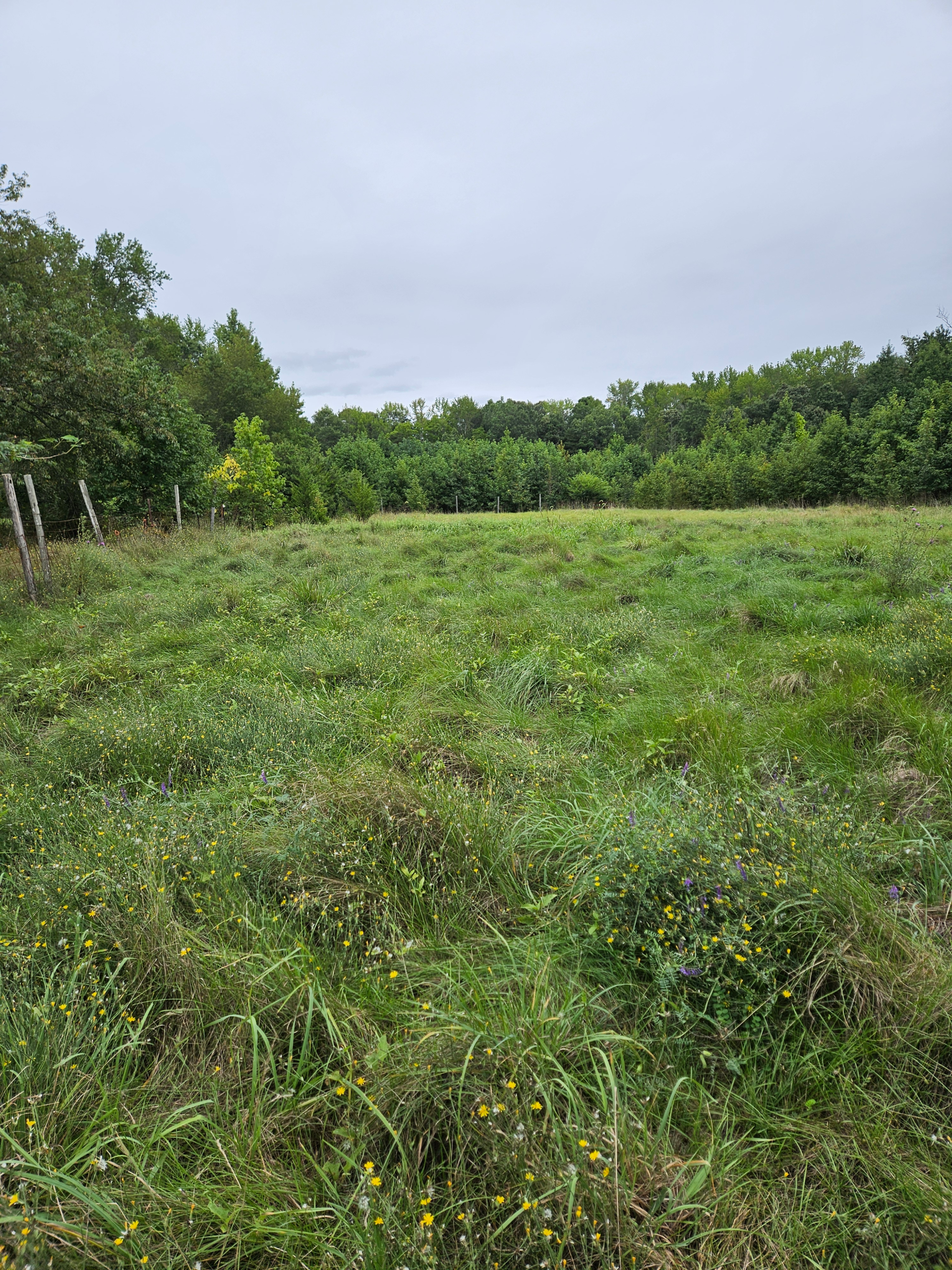
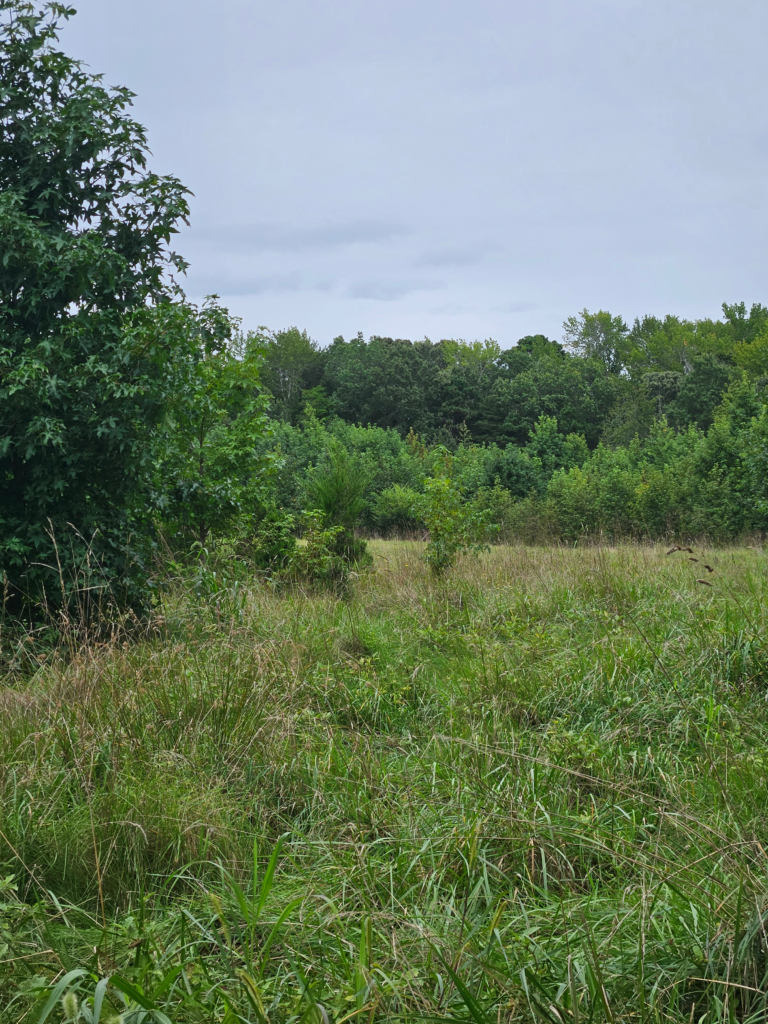
I am past the research, bidding, and purchasing stages. Right now, I am navigating the foreclosure process on a specific property—it’s a mid-sized parcel with a nice pasture and tree line. There is a house on the property as well. I’ve done my research, bought the certificate, paid ongoing taxes, and now I’m in what I call the “Waiting Period.”
This is the part most people don’t talk about. A property can be redeemed right up until the final judgment (the moment of signing over the deed). It can be stressful waiting to find out what happens next. But while I wait, I’m not just sitting on my hands. I’m still planning and learning all that I can. I already have my hoop house and greenhouse ready to move if I do end up getting the property.
The Fork in the Road: Two Ways to Win
People ask me, “What if the owner pays the taxes at the last minute and you don’t get the land?”
Here is my philosophy: I can’t lose.
- Plan A (The Goal): The process finishes, I get the deed, and we start setting up our homestead. The chickens move in, the greenhouse goes up, and we start the real work.
- Plan B (The Land Fund): The owner redeems. I don’t get the land, but I get my money back plus a healthy chunk of interest. That money doesn’t go toward a new TV; it goes into the Land Fund to buy even more certificates at the next auction.
Whether I get the land or the interest, this is my blueprint for homesteading on a budget. Either way, I’m closer to my homestead—and it makes my wife happier too because I’m not staring at Zillow all night long.
Join the Journey
When starting a homestead as a beginner, it can be difficult to know what to do or even where to begin. I’ll be sharing the key milestones of this strategy as they happen—the major breakthroughs and hopefully, the transition to the land.
Because this process involves months of “The Waiting Game,” I won’t be posting daily updates. I’ll only be sharing when there is a real milestone or a new lesson learned to report.
- YouTube: I’ll be posting video breakdowns of the major milestones here as the journey unfolds. [Quiet Meadows Homesteading]
- Instagram: Follow for strategy updates and news during the active phases of the process. [@QMHomestead]
If you’re tired of feeling priced out of your own dream, maybe it’s time to stop looking at what everyone else is doing and start looking at a different strategy.
Let’s see where this path leads. Happy Homesteading!